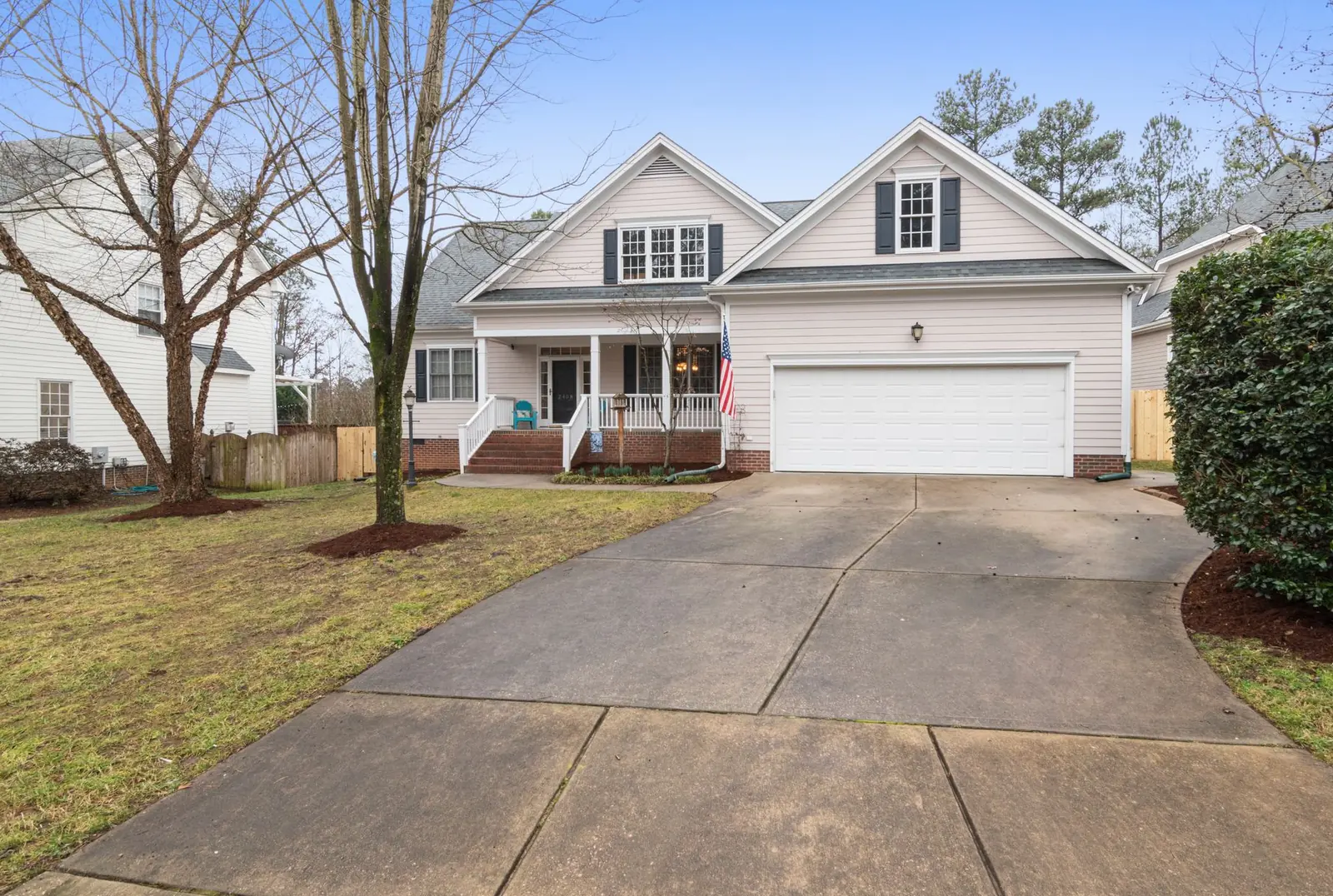
Base, thickness, steel, mix, joints
Concrete Driveways in Columbus, OH
New, replacement and extended concrete driveways, specified inch by inch for Ohio clay and winters. Get a free quote.
Columbus, Dublin, Hilliard, Westerville, Gahanna, Grove City, Reynoldsburg and 25 more towns
Send the size, get a driveway quote
Add the approximate length and width, what is there now and what will park on it. You get a call back to cover the details and book a measurement.
- Free driveway quotes
- 4 to 6 inch slabs
- Compacted stone base
- Steel on chairs
Approximate dimensions are fine. Quotes are free. 👇
Know-how
Four numbers worth asking about
- 01
4 or 6 inches thick
Four inches of concrete carries passenger cars and SUVs. If a pickup towing a loaded trailer, a camper or a delivery truck will use the drive, ask for 5 to 6 inches in those areas, plus thickened edges where tires run near the side.
- 02
8 to 12 feet between joints
A common rule keeps control joint spacing, in feet, at no more than 2 to 3 times the slab thickness in inches, so a 4-inch drive gets joints every 8 to 12 feet. Long, skinny panels crack across the middle, so keep each panel's length within about 1.5 times its width.
- 03
1/8 to 1/4 inch of fall per foot
That much slope moves water off the slab without making it feel tilted. Water should head for the street or a yard area, never back toward the garage door or into a low corner where it can freeze.
- 04
5 to 7 percent air
Air-entrained mixes for exterior flatwork in freeze-thaw climates typically carry about 5 to 7 percent air by volume. Those tiny voids relieve the pressure of freezing water. Plain concrete without it scales quickly once salt brine gets on it.
A driveway is five decisions, made in order
A concrete driveway in Columbus comes down to five specifications: what it sits on, how thick it is, what reinforces it, what the mix is, and how it is jointed and sloped. Get those right and the slab handles freeze-thaw, road salt and Central Ohio clay for a long time. Get one wrong and it shows within a few winters, usually as a sunken panel, a crack wandering between joints, or a surface that flakes. Columbus Concrete Driveway builds new driveways, replacements, extensions, aprons, stamped drives and garage slabs to those five points.
First, the base. Topsoil comes out, the clay subgrade is compacted, and crushed limestone goes down in compacted lifts, typically 4 to 6 inches deep. Second, thickness: 4 inches for cars, 5 to 6 inches where trucks, trailers or an RV will park, with the edges thickened. Third, steel, either rebar or welded wire mesh, held on chairs at mid-depth so it sits where it can do its job. Fourth, the mix: air-entrained concrete, dosed with microscopic air pockets so ice forming inside the paste has somewhere to push besides the surface.
Fifth, joints and slope. Control joints are cut or tooled to about a quarter of the slab depth, spaced so panels stay close to square, and made early enough to beat the first shrinkage cracks. The surface falls away from the garage, commonly 1/8 to 1/4 inch per foot, and gets a broom finish across the direction of travel for traction. Then the slab cures on a set timeline: foot traffic after a day or two, cars after about seven days, heavy trucks later, and full design strength at around 28 days.
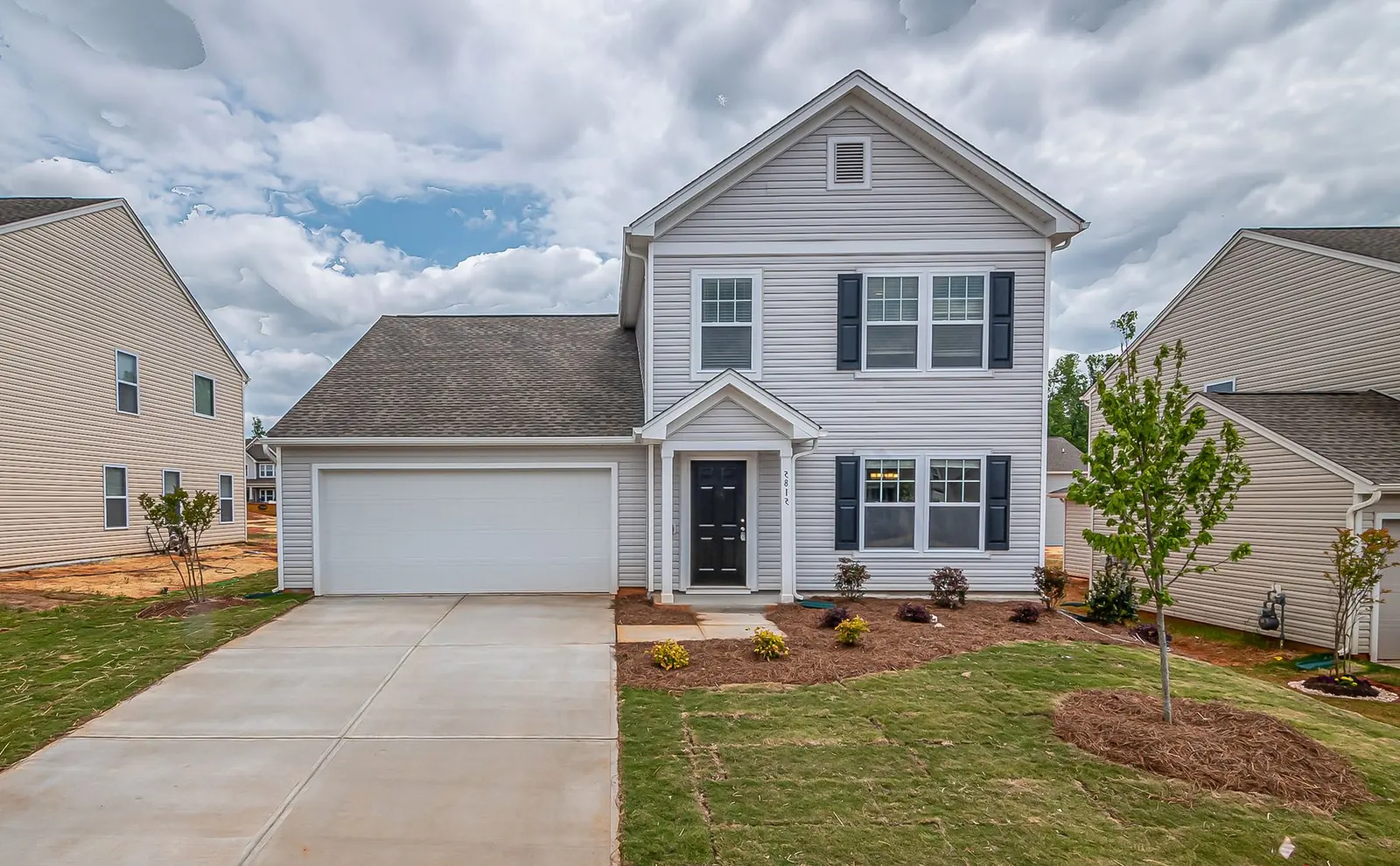
Driveway services
Six driveway jobs, one set of specs
Every project below starts from the same base, steel, mix and joint standards, adjusted for its load and location.
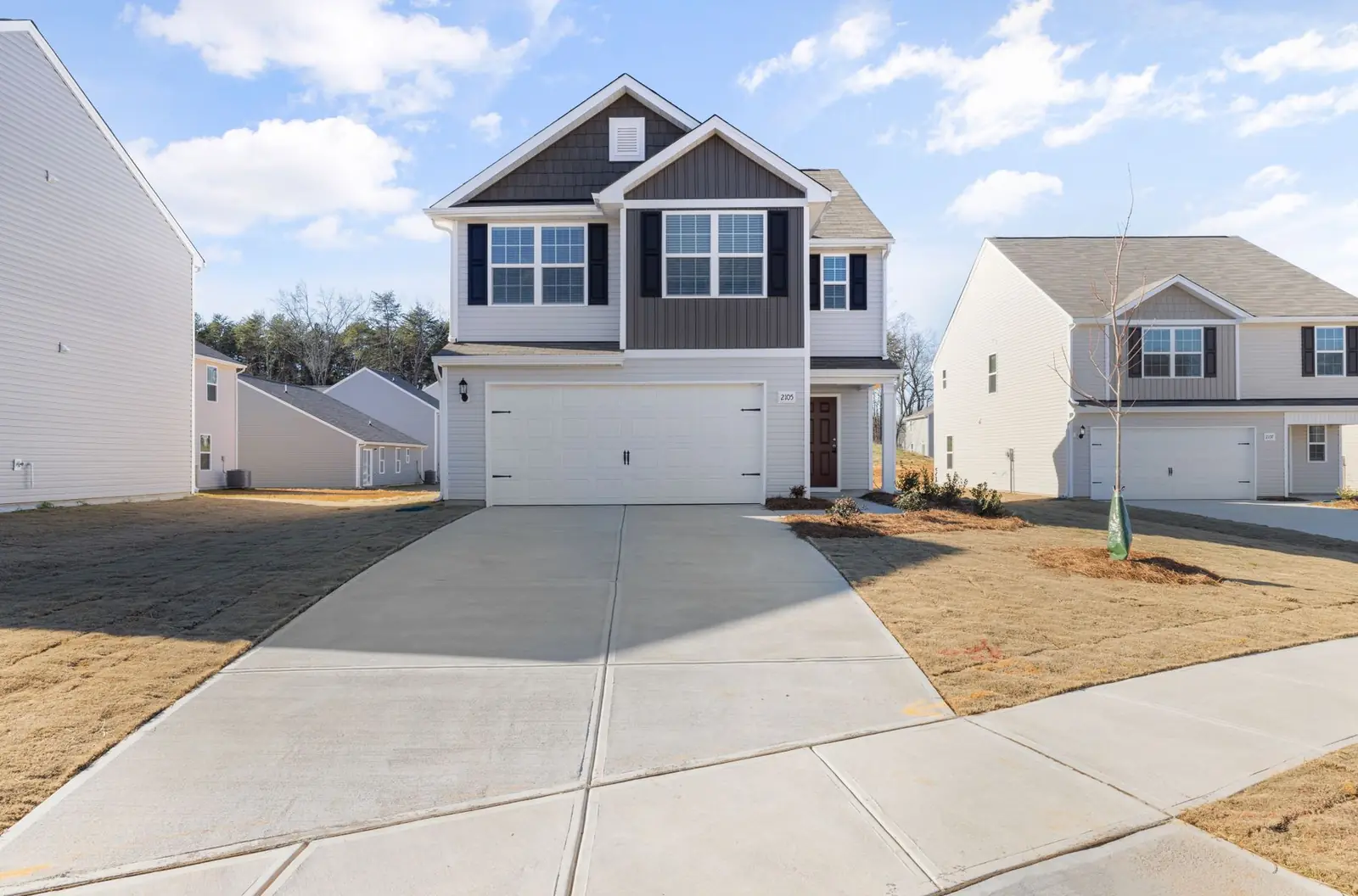
New Concrete Driveways
First-time driveways for new homes or old gravel drives, specified from base depth to joint layout.
More on new concrete driveways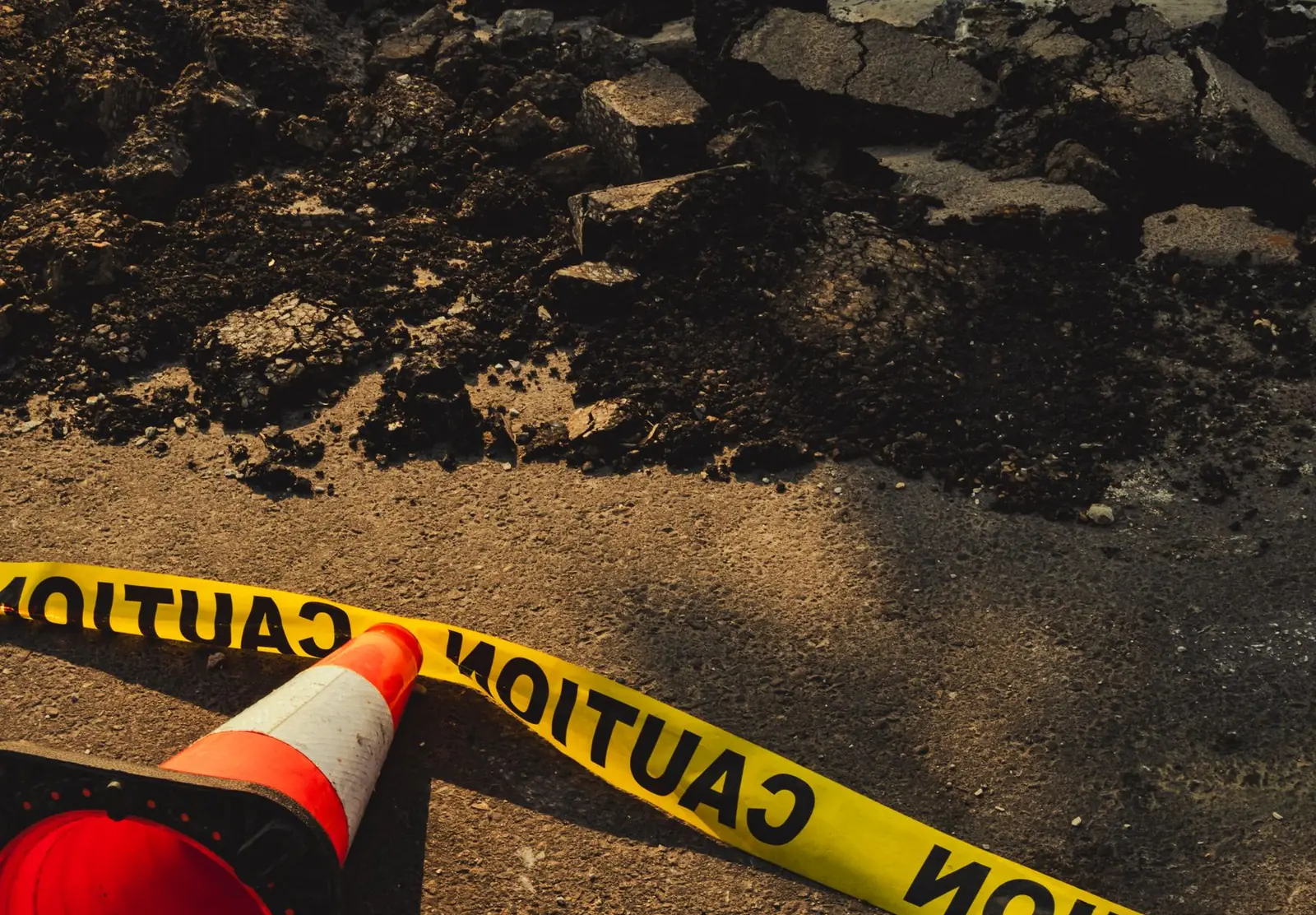
Driveway Replacement
Remove the old driveway, fix what failed underneath, and pour a new slab to a complete spec.
More on driveway replacement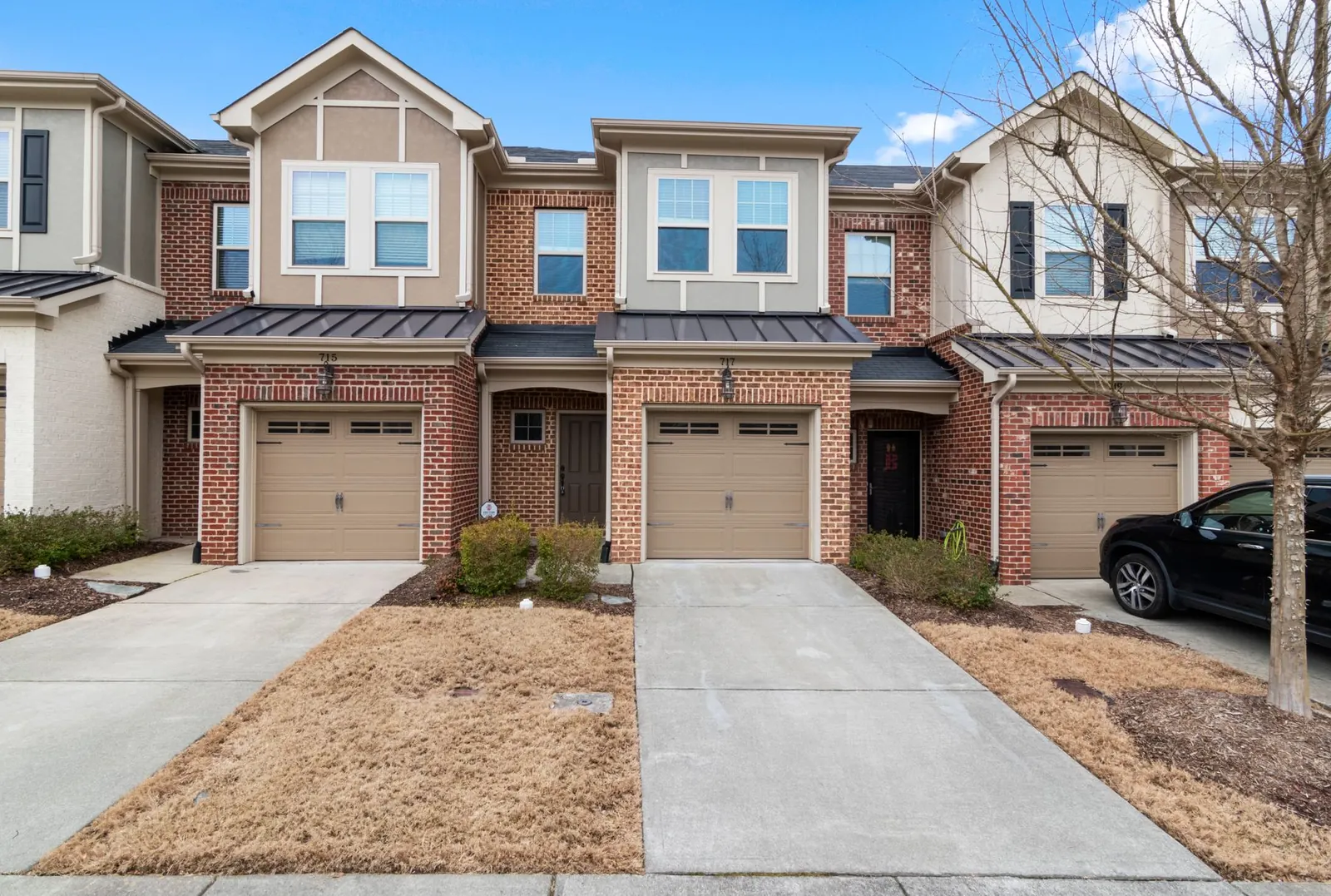
Extensions & Parking Pads
Widening strips, side parking pads and turnarounds, doweled into the existing driveway with joints lined up.
More on extensions & parking pads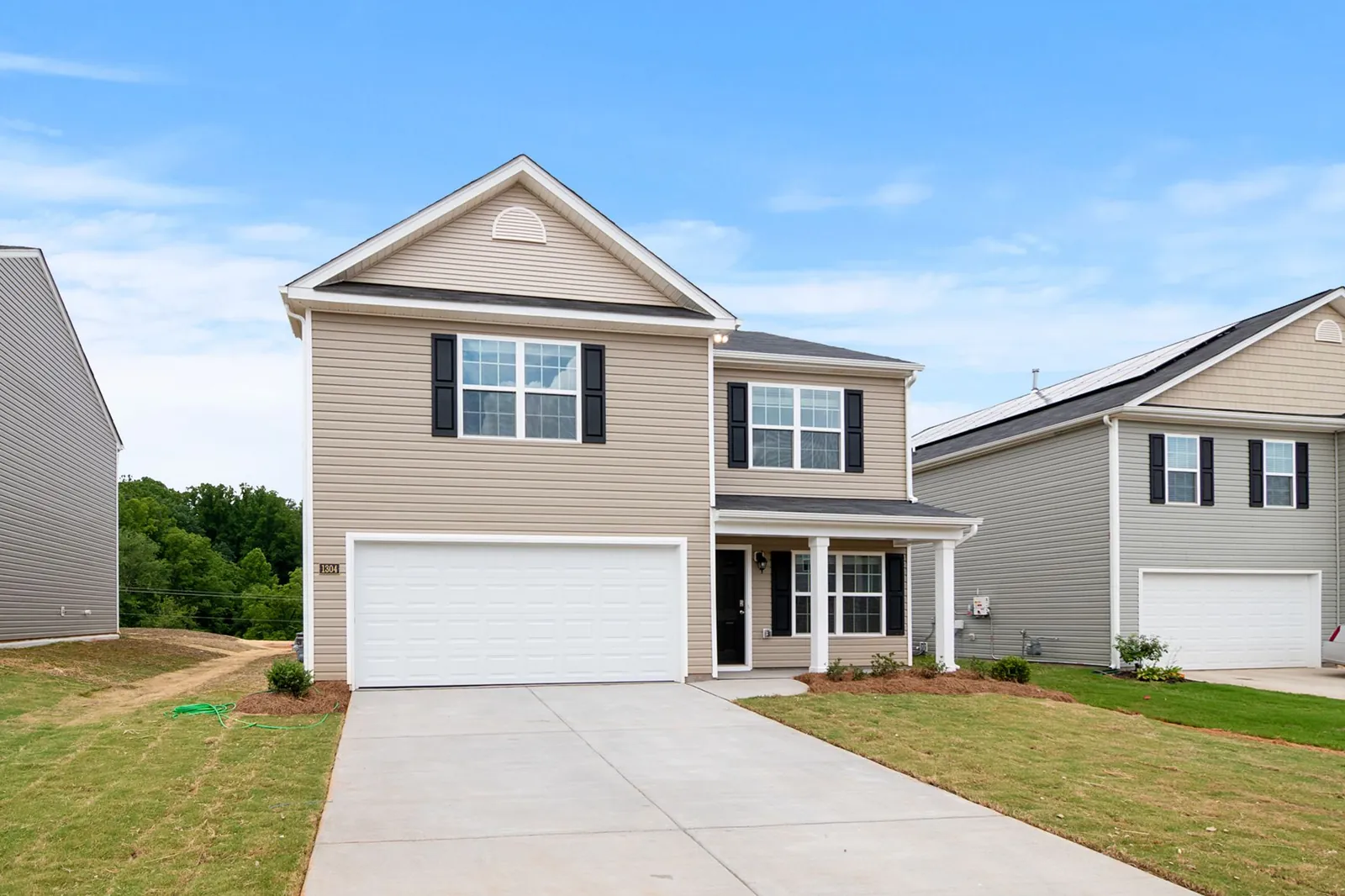
Aprons & Approaches
The street-side section in the public right-of-way, poured to the local city or village permit and specs.
More on aprons & approaches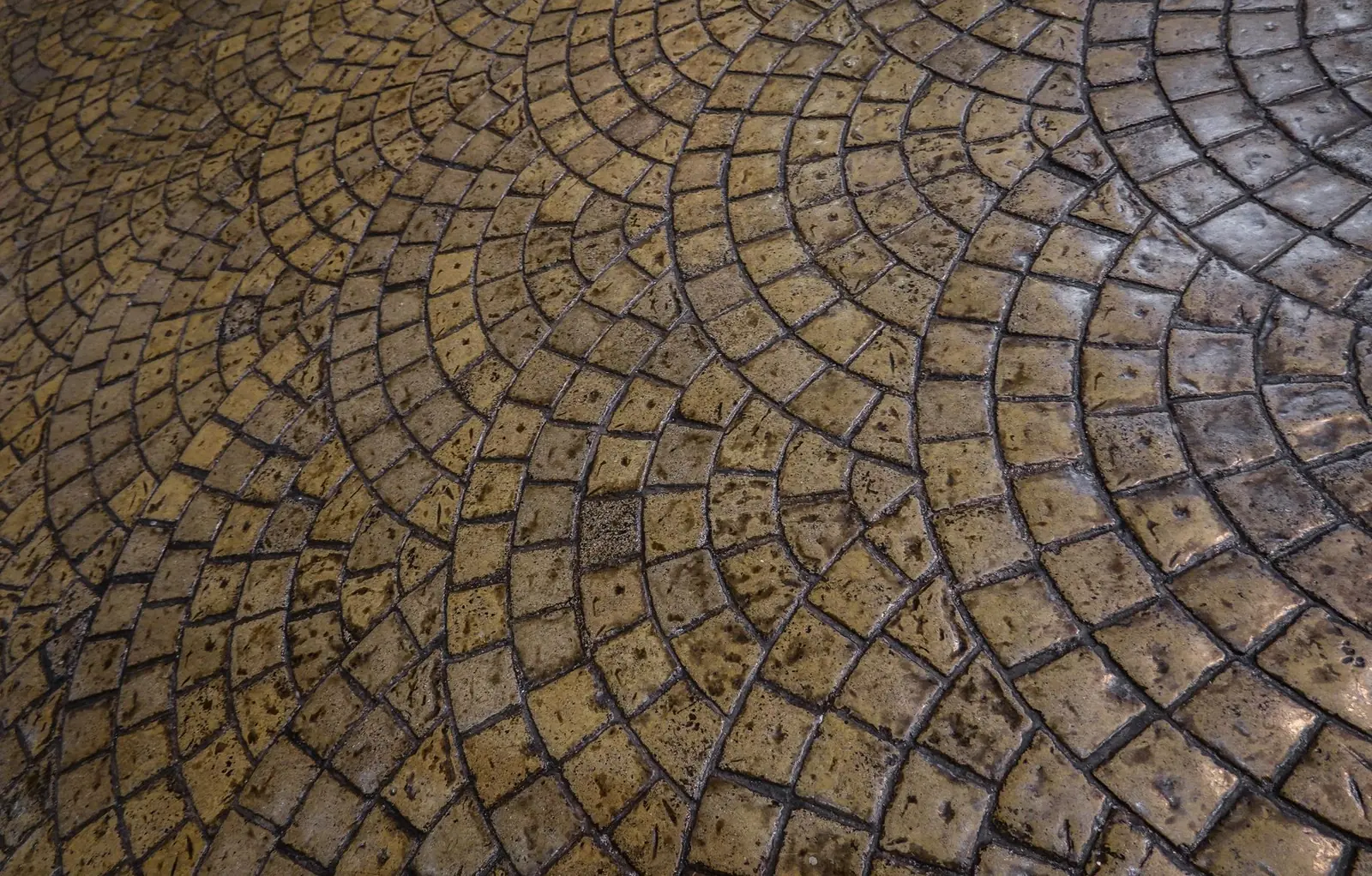
Stamped Driveways
Pattern and color on top of a full structural driveway spec, sealed with grit for winter traction.
More on stamped driveways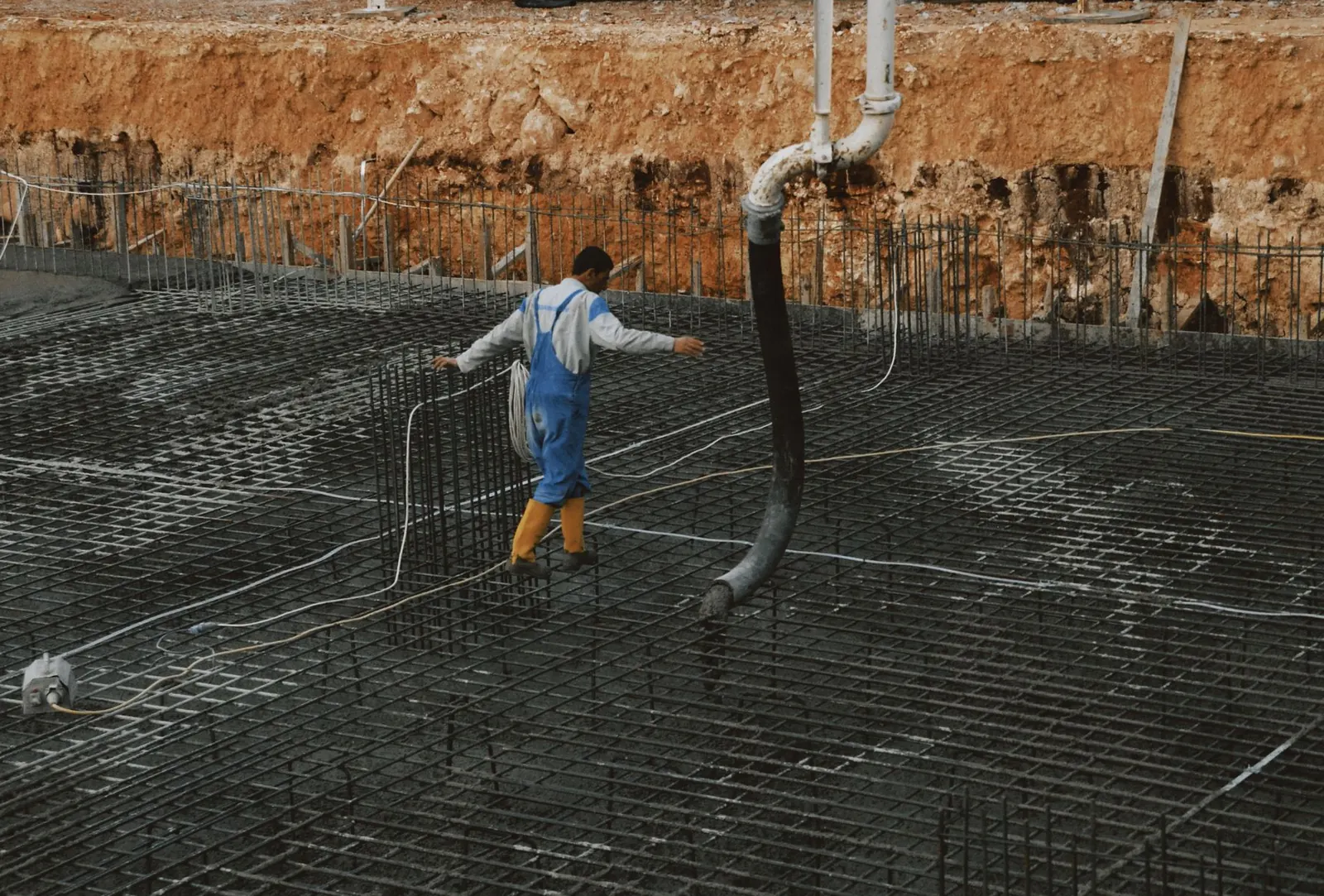
Garage Slabs
Garage floors and slabs for new, detached and existing garages, sloped to drain and jointed into square panels.
More on garage slabs
How it works
The build sequence
- 1
Measure and mark
Length, width, grade and the path water should take are measured on site, and 811 is called so OUPS can locate buried lines.
- 2
Excavate and compact
Old concrete or sod comes out, the subgrade gets plate-compacted, and stone goes in lifts of a few inches, each compacted before the next.
- 3
Form, steel, pour
Forms go in at the planned slope, reinforcement goes on chairs, and air-entrained concrete is placed, screeded and broomed.
- 4
Joint and cure
Control joints are cut within the first day, the slab is kept moist or coated with curing compound, and cars stay off for about a week.
Questions
Driveway specs and scheduling, answered
What keeps a concrete driveway from breaking down in Ohio winters?
Four things: an air-entrained mix, a compacted stone base that drains, slope that keeps water from sitting, and no rock salt the first winter. Once the slab has cured, a penetrating silane or siloxane sealer slows the brine that drips off cars. Plan to reapply it every few years.
Does a driveway need a permit in Columbus or the suburbs?
Usually the apron does. That strip between the street and the sidewalk or property line belongs to the public right-of-way, so the permit comes from the municipality's engineering or building department, with Columbus and every suburb keeping separate rules. Work entirely on your lot may not need one. HOAs often want to approve width, color or materials first, and 811 is called before any excavation.
How much does a concrete driveway cost?
The quote is built from measurable inputs: square footage, thickness, whether old concrete has to be removed, how much base and grading the site needs, the reinforcement, the finish (broom or stamped), and whether an apron permit is involved. Access for the ready-mix truck matters too, since a pump or a power buggy adds time. A free quote itemizes these for your driveway.
Which areas do you build driveways in?
Columbus and 31 nearby communities, including Upper Arlington, Grandview Heights, Bexley, Whitehall, Gahanna, Huber Ridge, Blacklick Estates, Pataskala, Powell, Minerva Park, Urbancrest and Harrisburg. Every town is listed on the service areas page.
How long does a new driveway take from start to parking?
A typical residential driveway takes about 2 to 4 working days of site work: tear-out or excavation, base and forms, then the pour and joint cutting. Add about 7 days of curing before cars. Pours run mostly spring through fall, and late-season work relies on blankets and cold-weather practices.
Should my driveway have rebar or wire mesh?
Both work when they are placed correctly, which means held up on chairs at mid-slab, not trampled into the dirt during the pour. Rebar on a grid is stiffer and common under heavier loads; welded wire is common on standard car driveways. Fiber can be added to the mix to reduce surface shrinkage cracks, but it does not replace steel.
Broom finish or smooth finish on a driveway?
Broom. A steel-troweled surface looks sleek but turns slick with rain, ice or frost. A medium broom texture pulled across the direction of travel gives tires and shoes grip and still sweeps clean. Stamped driveways get their texture from the pattern plus an anti-slip additive in the sealer.
Examples
Driveway slabs, joints and finishes
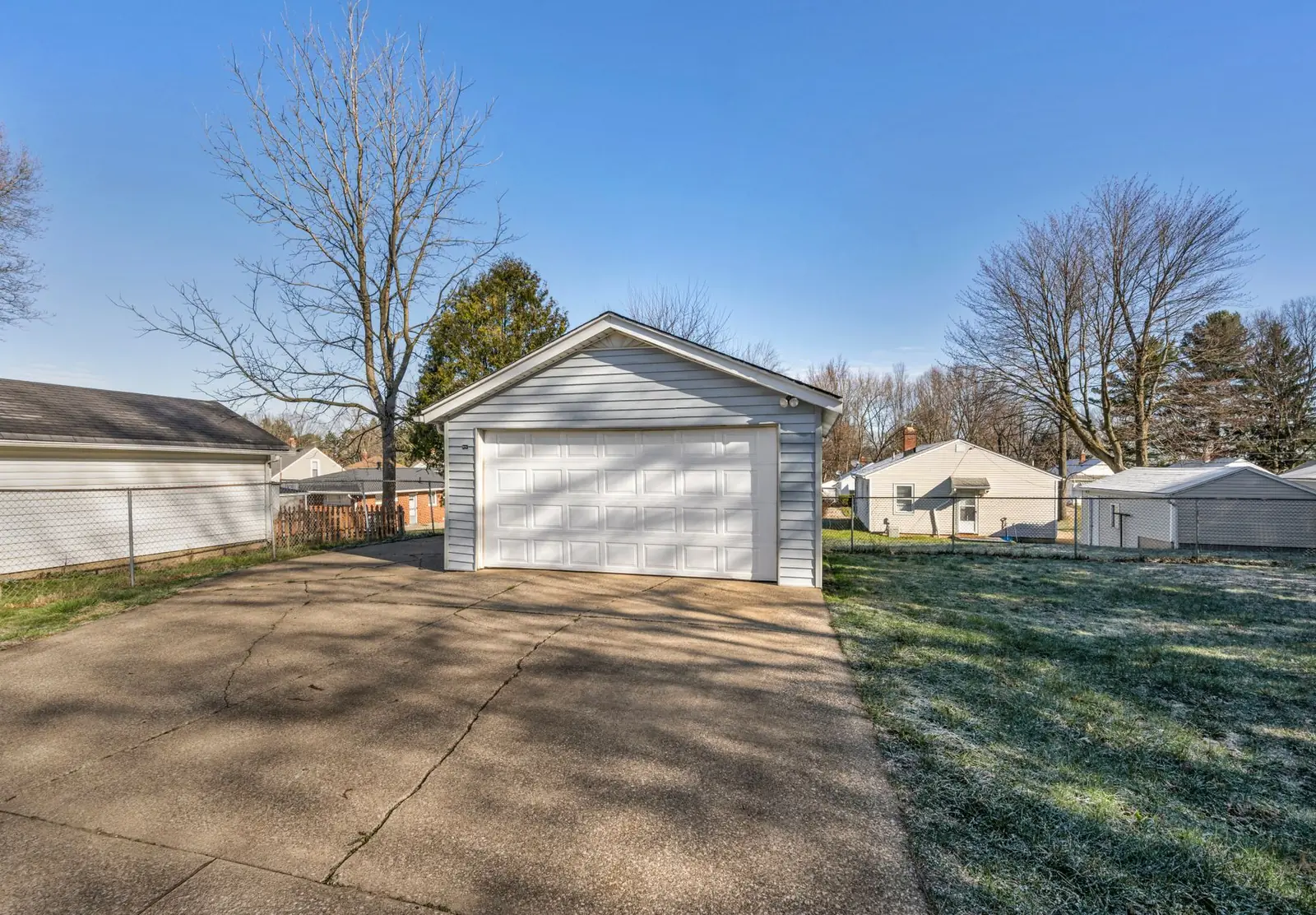
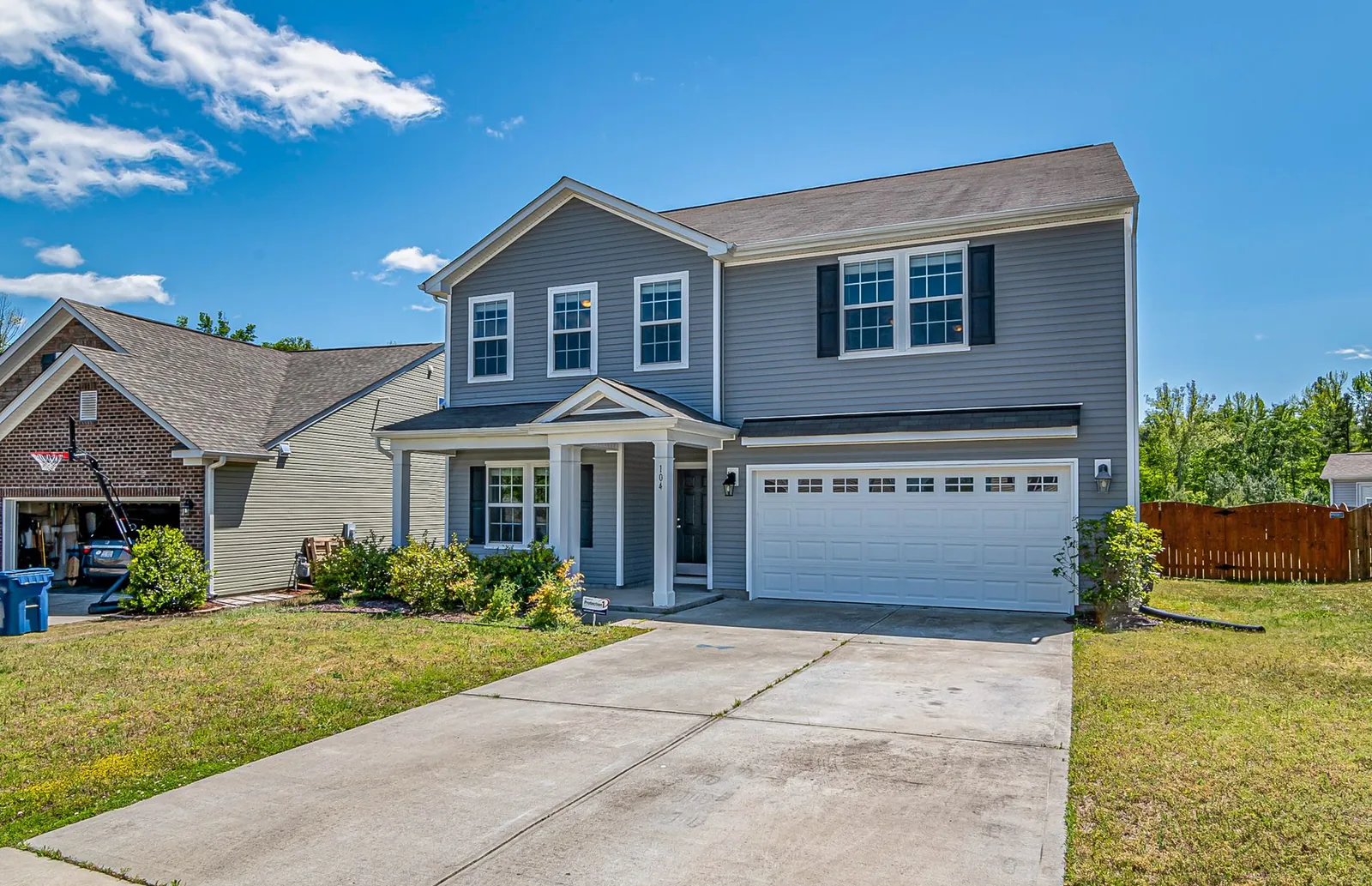
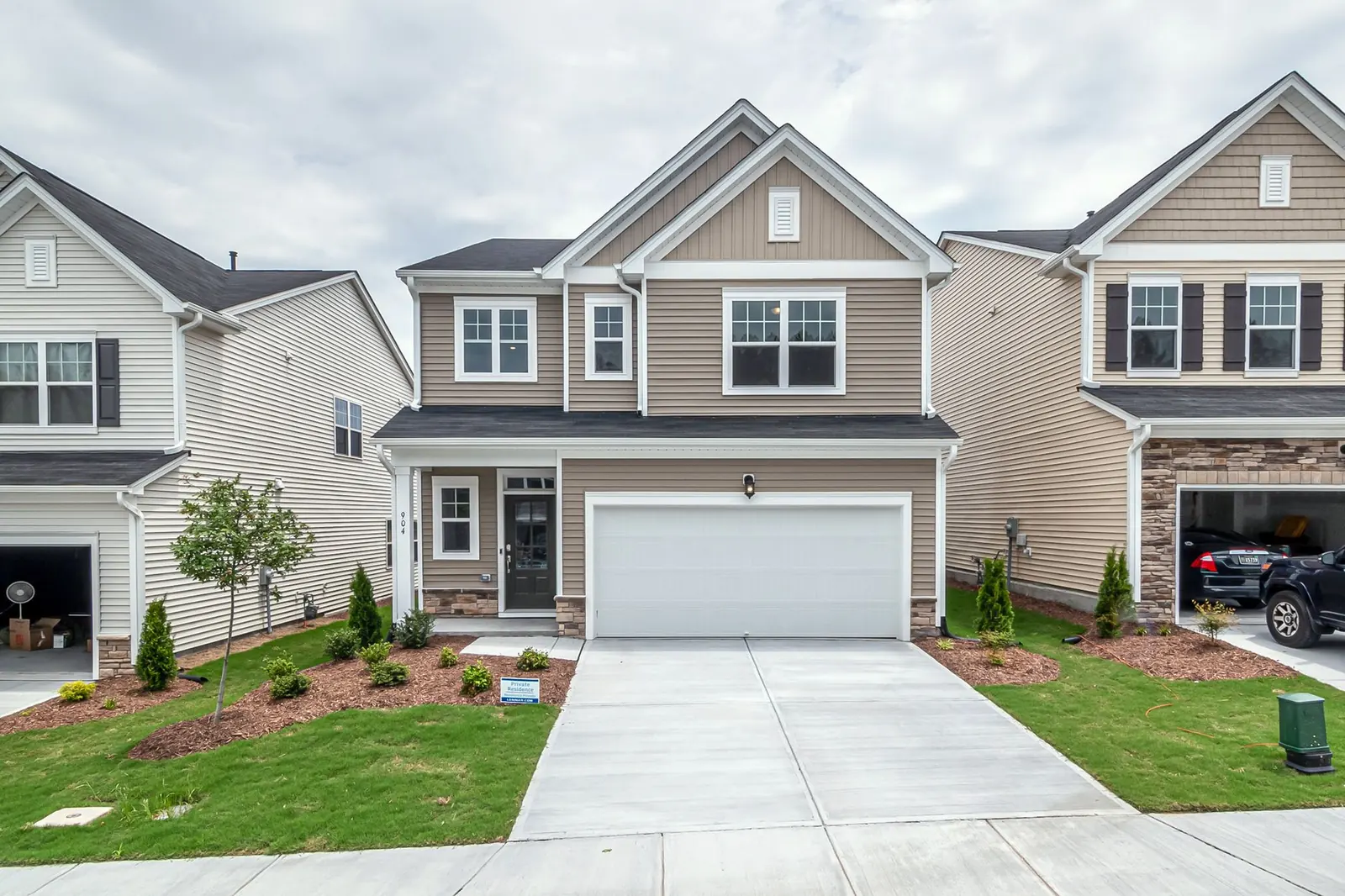
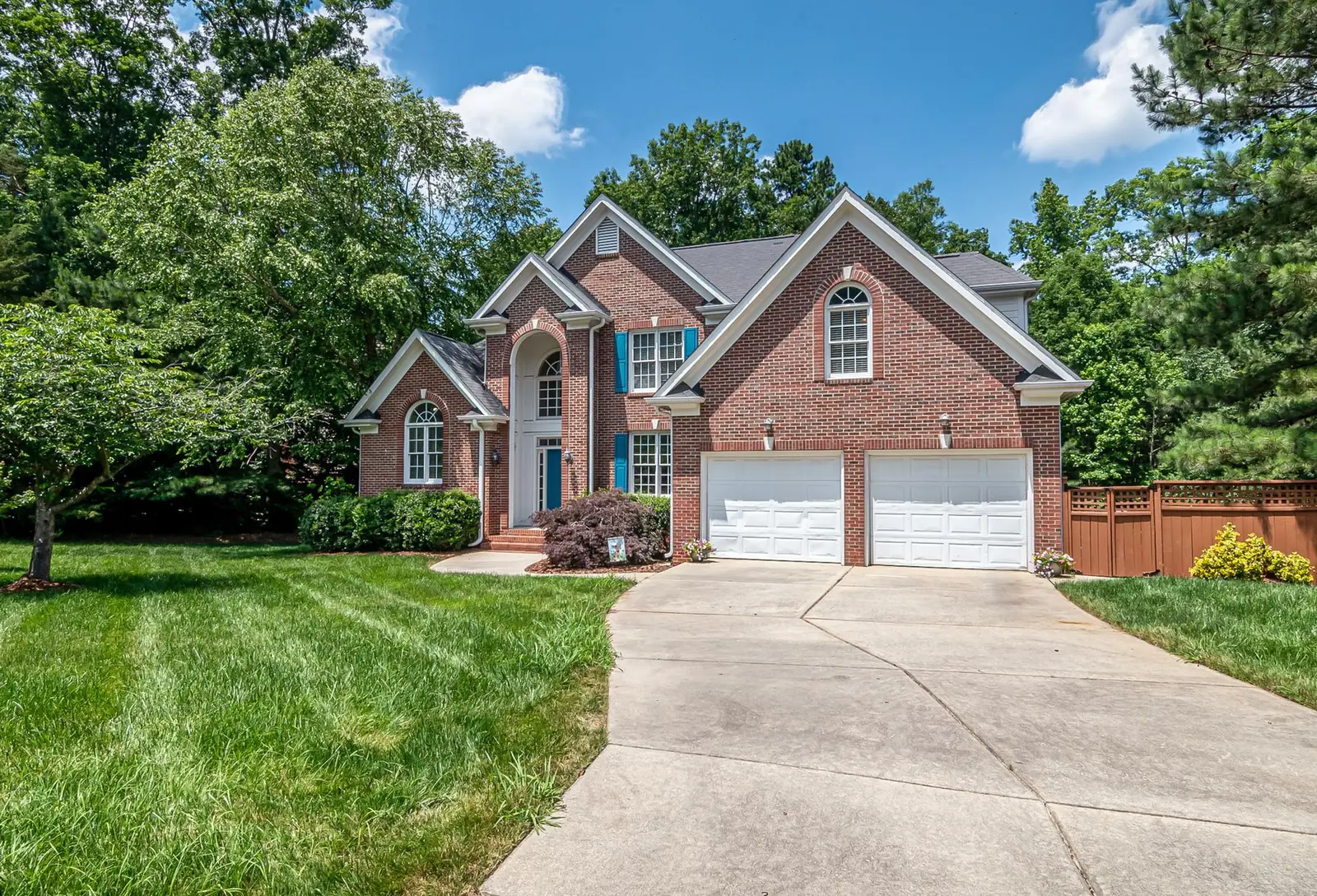
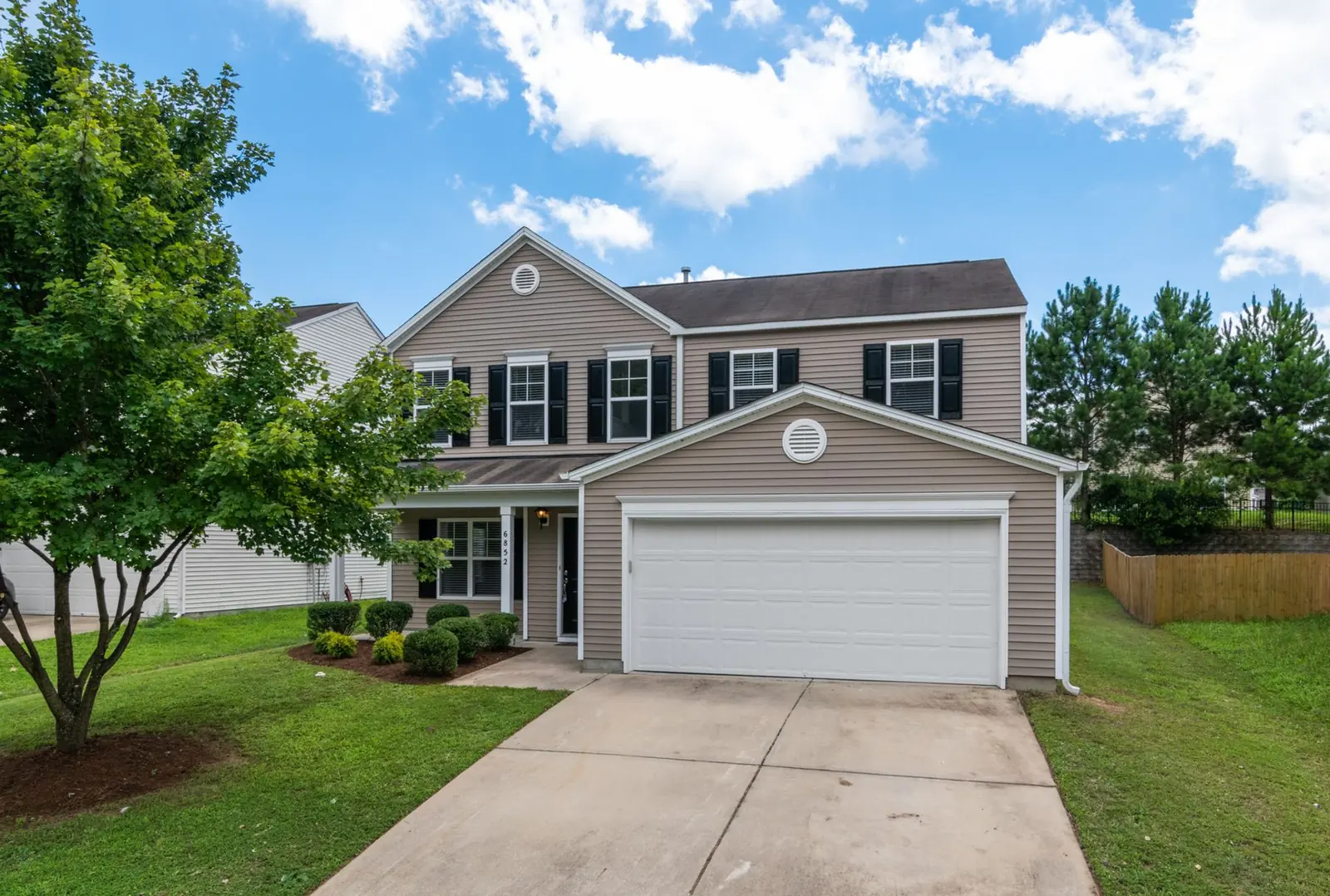
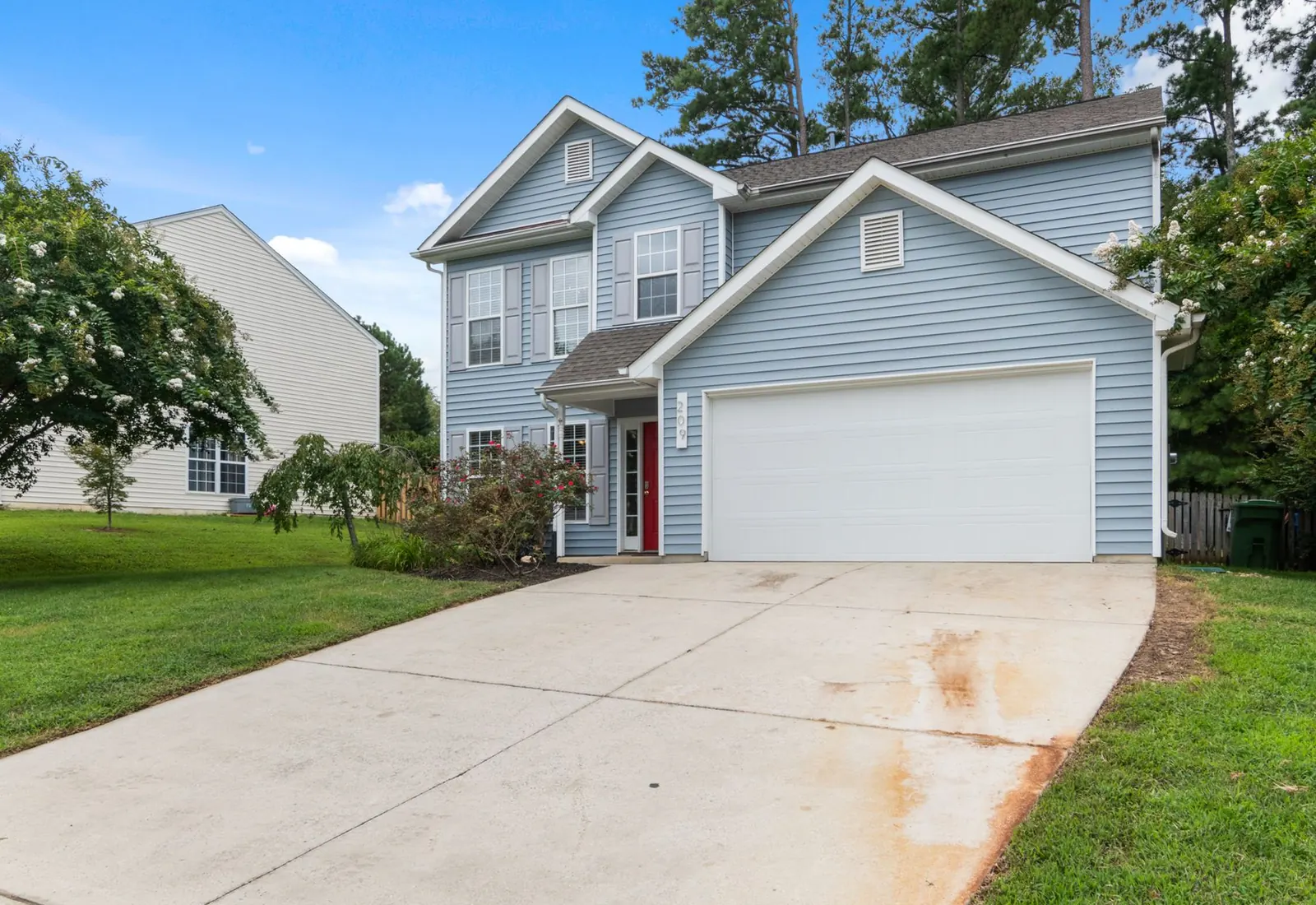
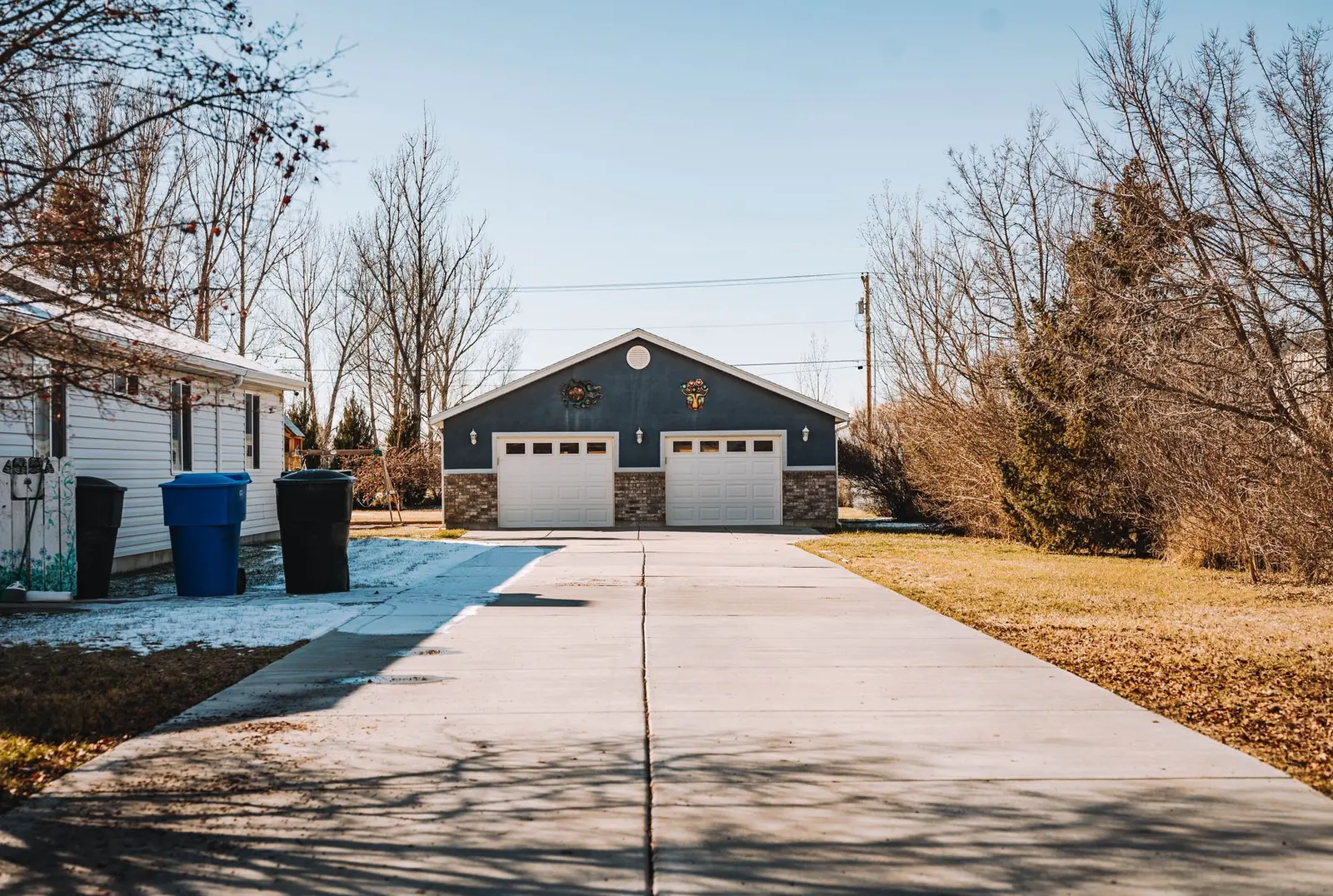
Example photos of the type of work.
Service area
Driveway service area: Columbus and 31 towns
Quotes cover Columbus and the 31 surrounding communities listed here, across Franklin, Delaware, Fairfield, Licking and Pickaway counties.
Franklin County
Pickaway County
Fairfield County
Delaware County
Licking County
Send the dimensions, get the spec and the quote
Length, width, what parks on it and what is there now are enough to start a free driveway quote.